Smoked Salmon Wet Brine Recipe
I've been experimenting with many different smoked salmon recipes and this is one of my recent favorites. It's a wet brine that lends well to both fresh or frozen salmon. The flavor has a lot of complexity as it has the sweet, savory and a little spicy. A must try!
1. Wet Brine Recipe
Amounts are subjective to the amount of fish you're processing. For the amounts below, I processed 3 adult Chinook (King) Salmon for reference.
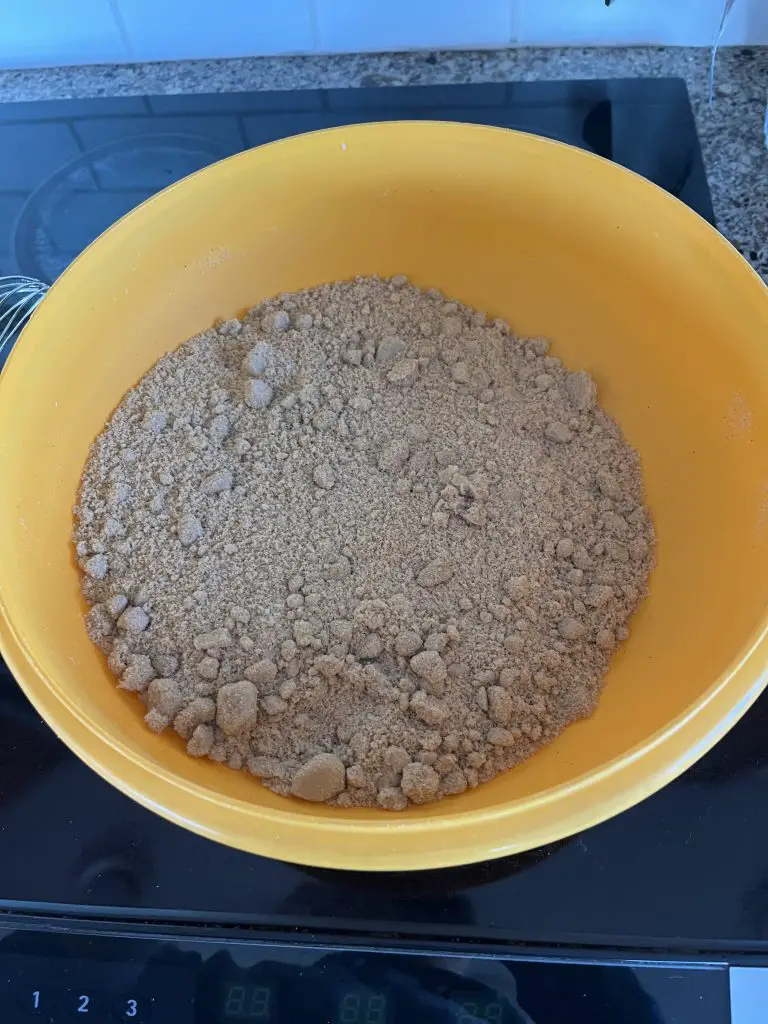
- 1 kg Golden Brown Sugar (roughly 5 cups)
- 3/4 cup of Kosher salt
- 1/2 cup of Garlic powder
- Pinch of Cayenne powder
- Pinch of Paprika
- 2 Liters of water
OPTIONAL EXTRAS to play with:
- Splash of Soya sauce
- Splash of Worcestershire sauce
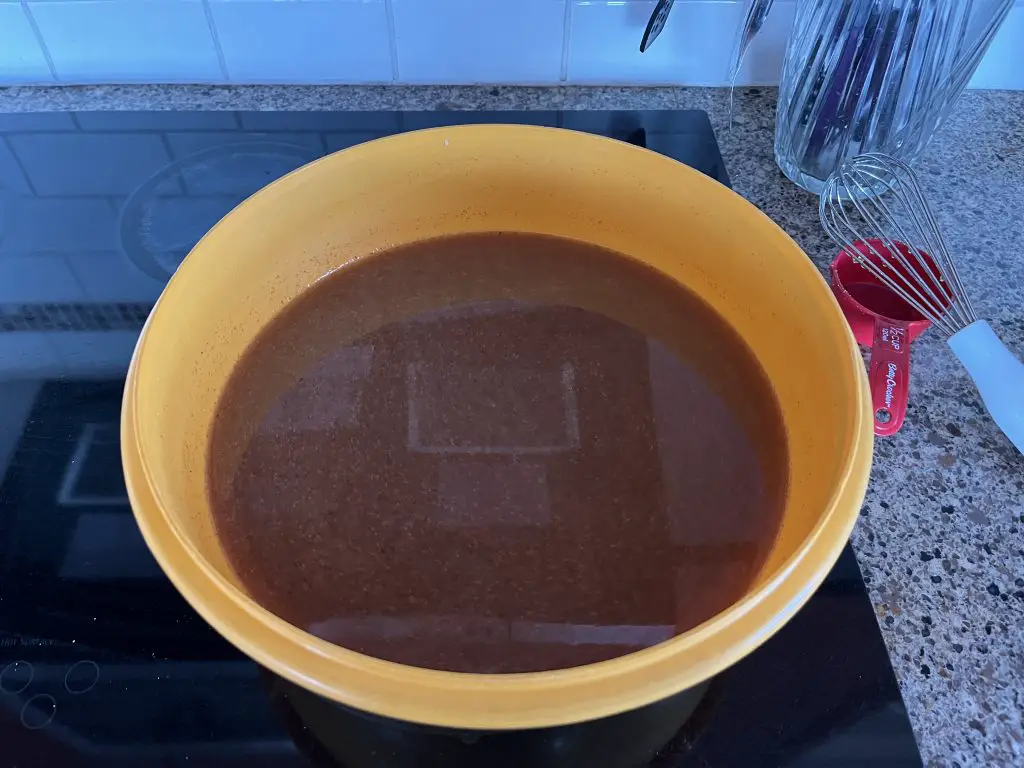
Mix up all ingredients in plastic bowl or container.
IMPORTANT: As mentioned, for this recipe I processed 3 adult Chinook (King) salmon of which the cut pieces completely covered 4 racks of my smoker. If you're only processing 1 or 2 fish you may want to half the above recipe amounts.
2. Skin and Cut up Salmon
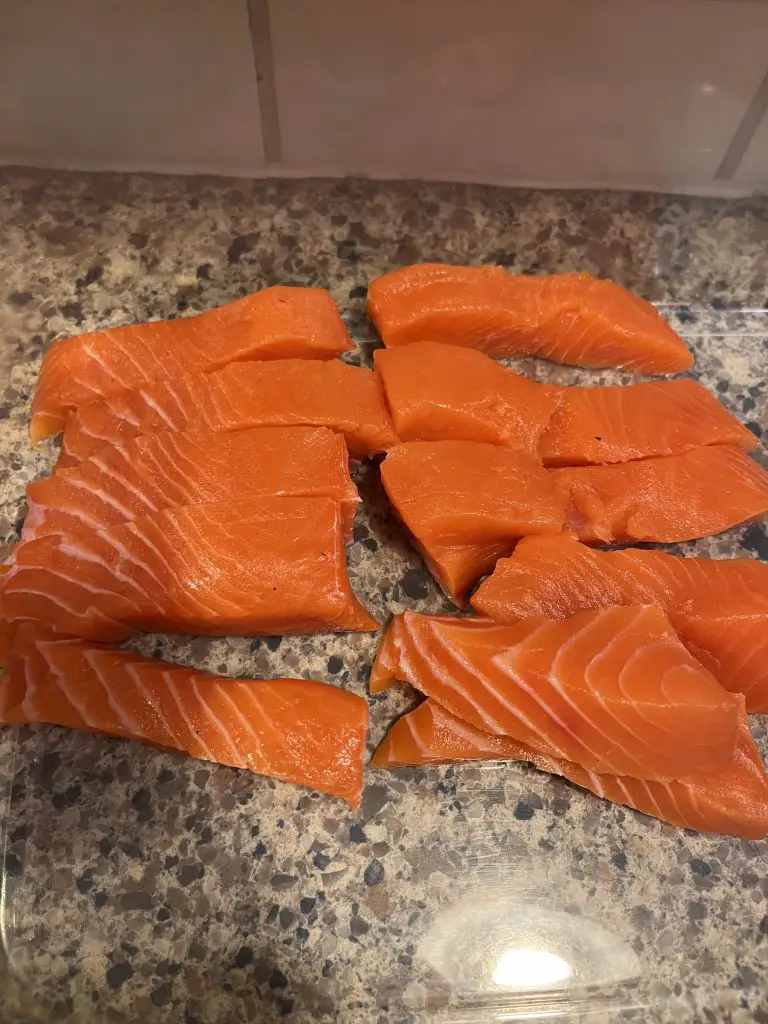
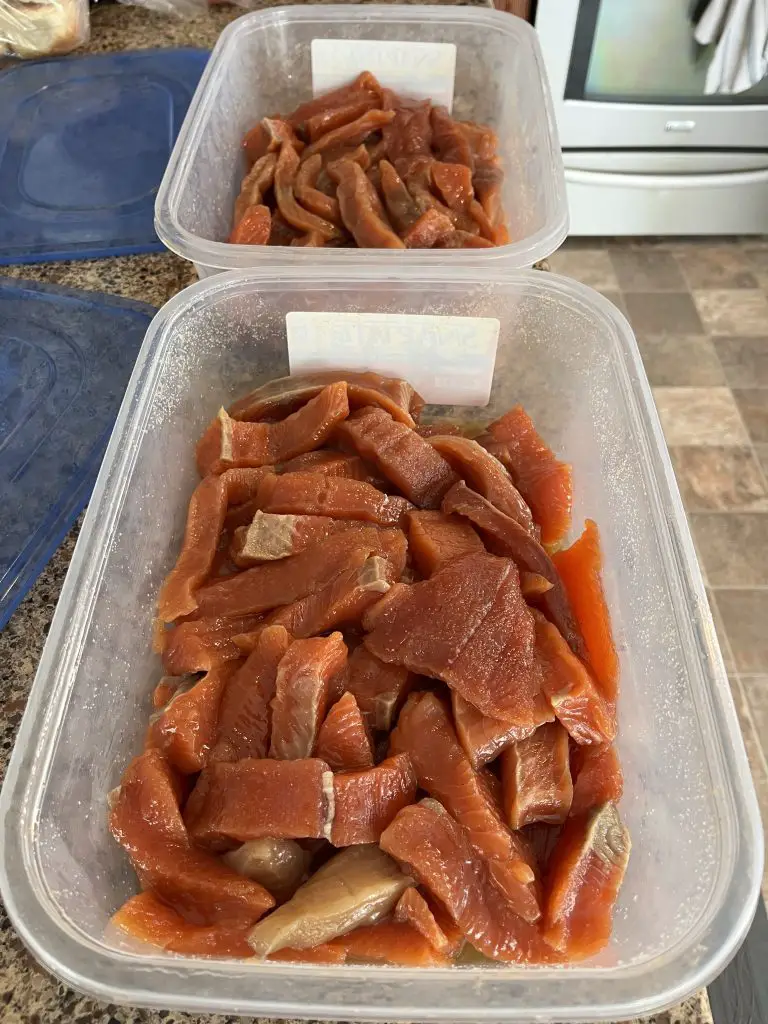
Get a sharp knife and remove the skin off the salmon. Then cut the salmon into pieces roughly 1/2 inch to 1 inch wide. The size is really up to you and how you like to enjoy your smoked salmon. I like the longer strips as it allows for an strong brine and smoke flavor that's bite sized!
3. Place salmon in Plastic Container & Add Wet Brine
One the salmon is cut up into pieces layer them into a plastic container. Do NOT use a metal bowl or container when brining your fish, only use plastic.
Add the liquid brine from step 1 into the plastic container. The brine should cover or be very close to the top of the salmon. You'll want the entire fish in the brine in this process.
4. Brine for 2 - 3 days
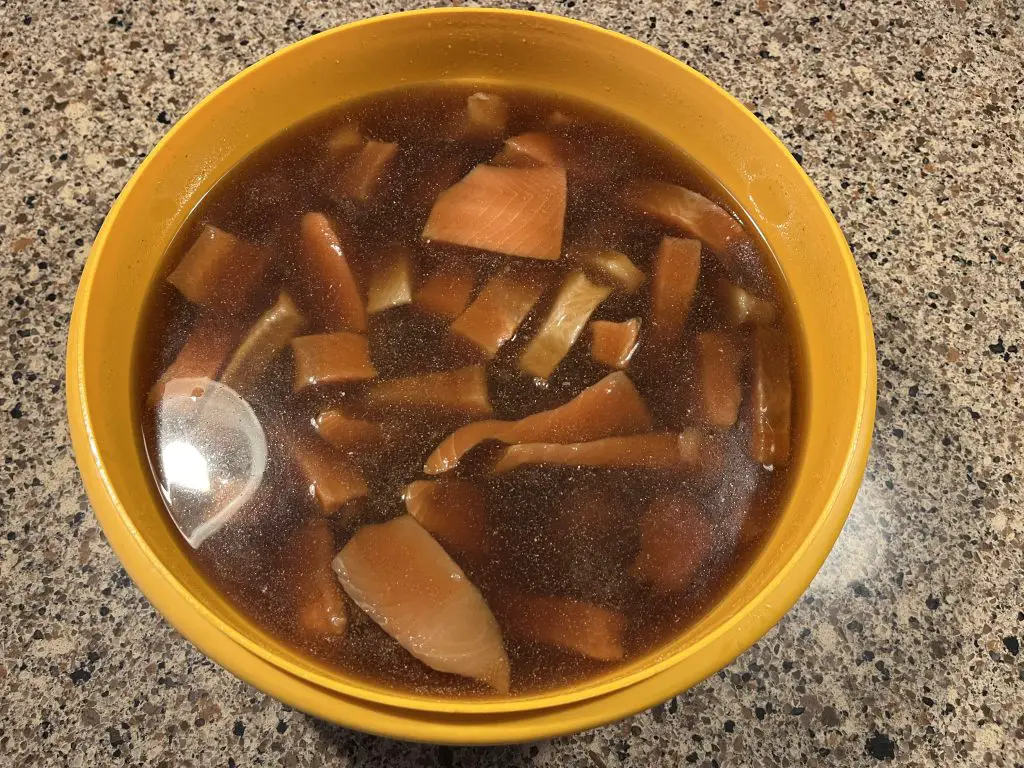
Place the plastic container(s) into the fridge for at least 2 days. On this smoke example, I left my in for 3 days. Over the brining period be sure to open and stir up the brine to ensure all the salmon is getting well coated.
This next photo is the salmon that's been sitting in the brine for a few days.
5. Remove from Fridge and Adding Pepper Crust
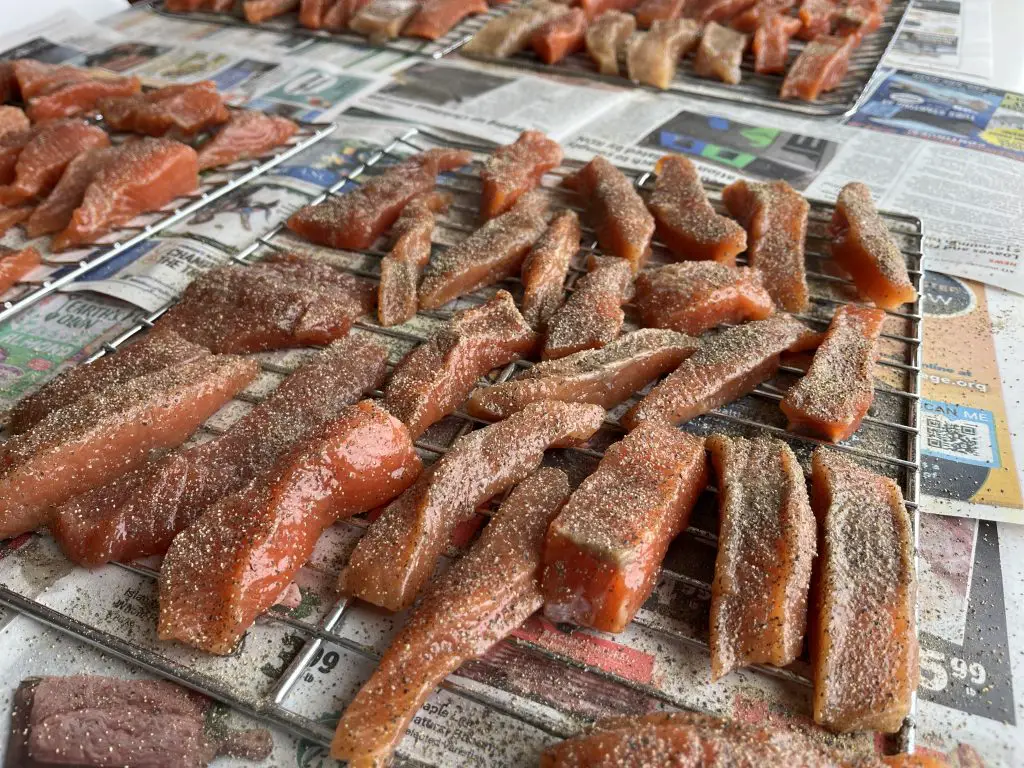
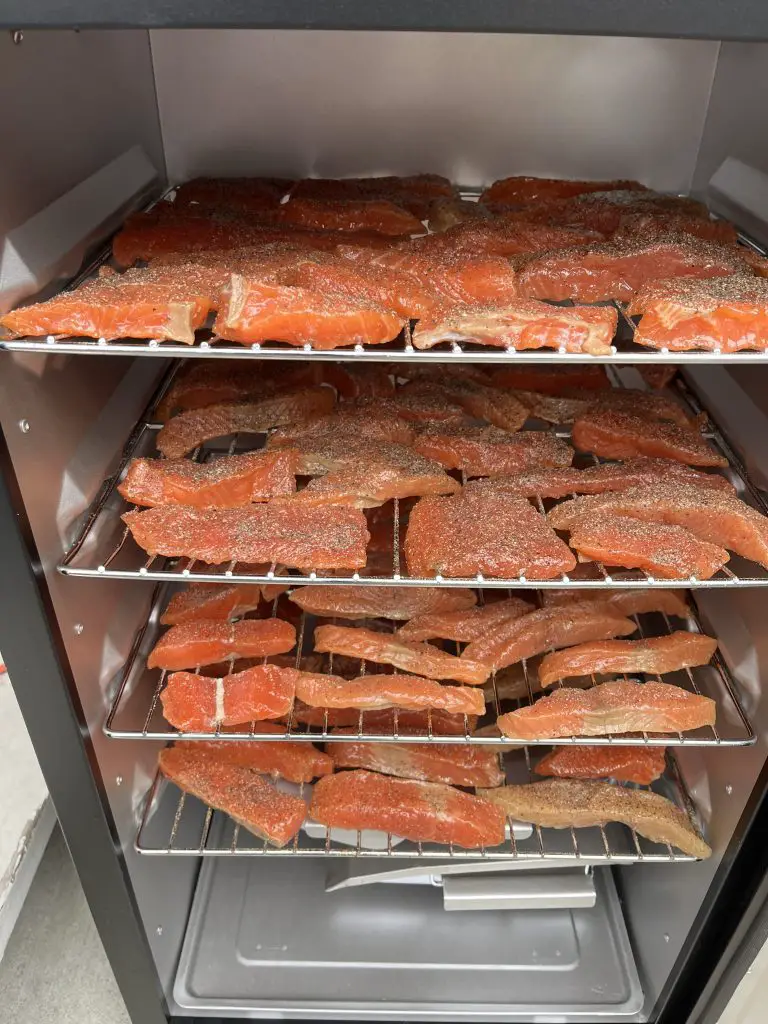
After the brining process, I like to lay the smoker racks (if you're using detachable racks) over newspaper. I then lay the salmon out which allows it to dry and come closer to room temperature.
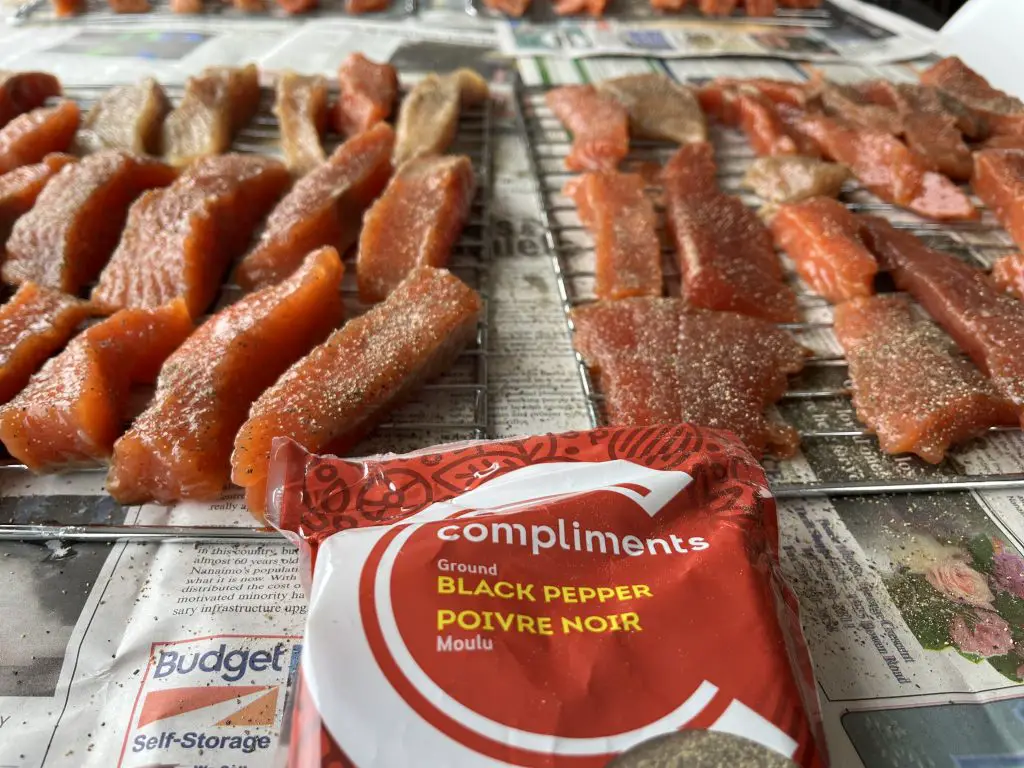
At this point, I added the ground pepper. This is the point where you may disagree but you can go to town on the pepper crust. I was hesitant the first time doing this, but the salmon can handle a lot of pepper. If you're uncertain on pepper amounts (especially 1st time trying recipe), I'd say experiment with the amounts across the various fish pieces.
IMPORTANT: Do NOT use freshly ground pepper. It'll be too overpowering on the flavor.
6. Smoke Time, Temperature & Wood Chips
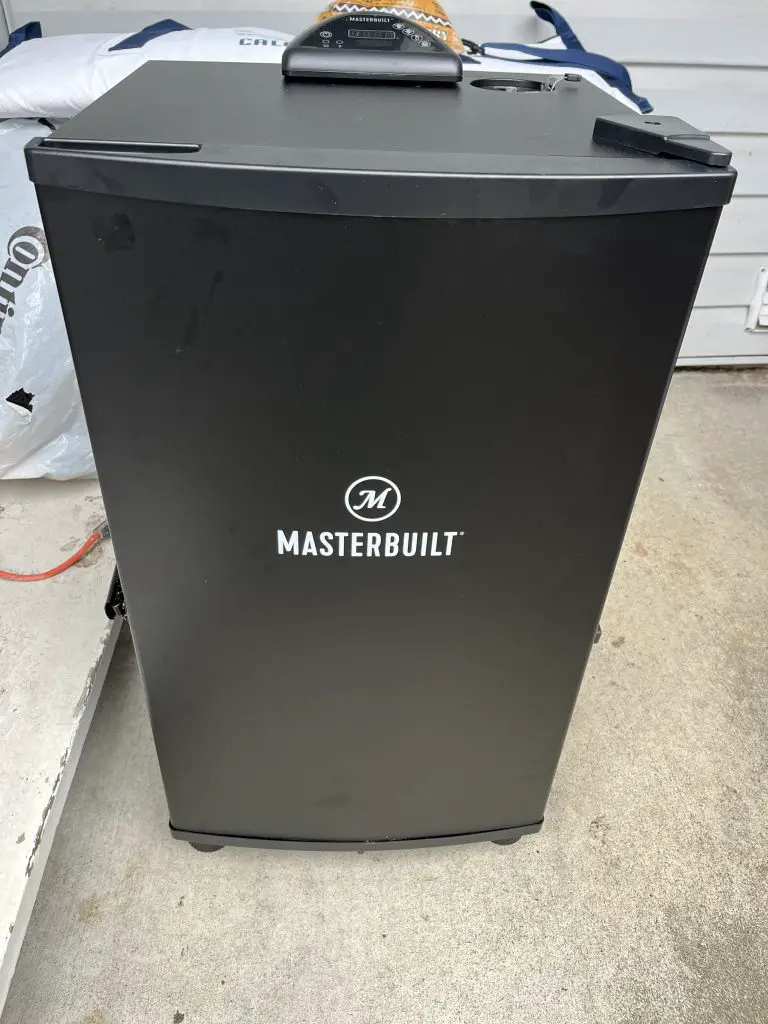
Smoking time is subjective to the size of the salmon pieces you are smoking. I think a good rule of thumb for salmon in a controlled temperature smoker is 3-4 hours. This is the time and temperatures I set on my electric smoker.
2.5 hours - 150 degrees
1 hour - 180 degrees
2 to 3 rounds of Hickory wood chips. You can use whatever wood chip flavor you like, completely subjective there.
7. Smoking is done
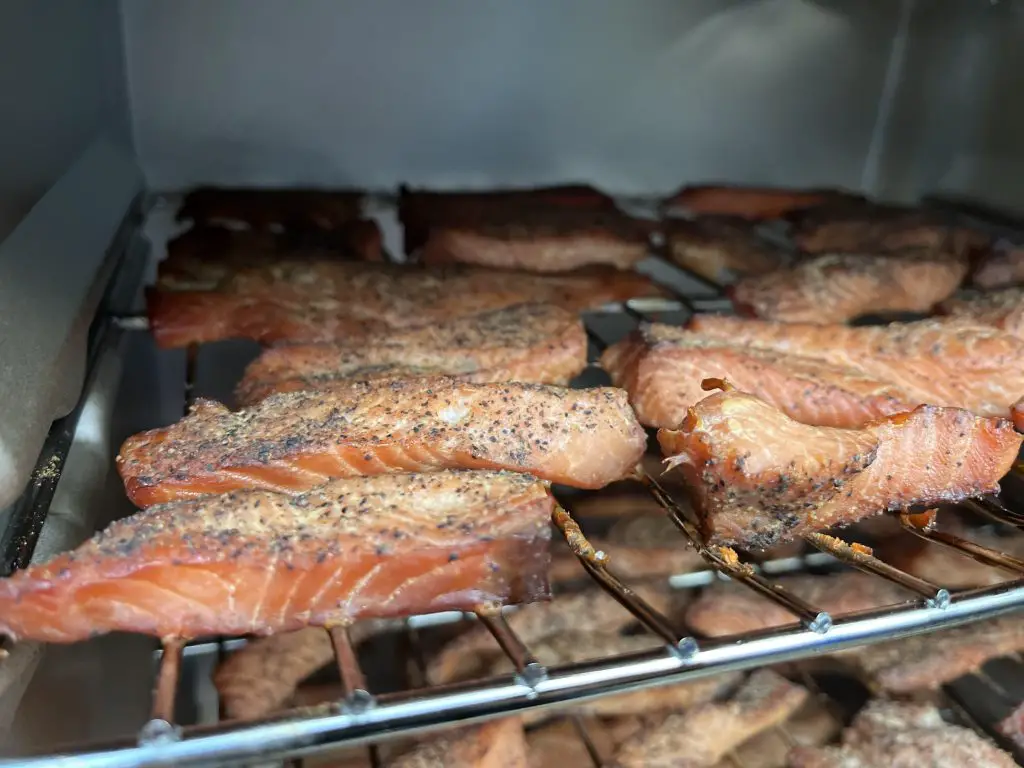
The salmon are done at an internal temperature of 145 degrees. Toward the end of the smoking process I like to test some of the meat to see how its coming along. I'm finding I like to leave in a little longer for a darker more cooked crust myself. But that's the fun about smoking, you can play around and figure that part out for yourself!
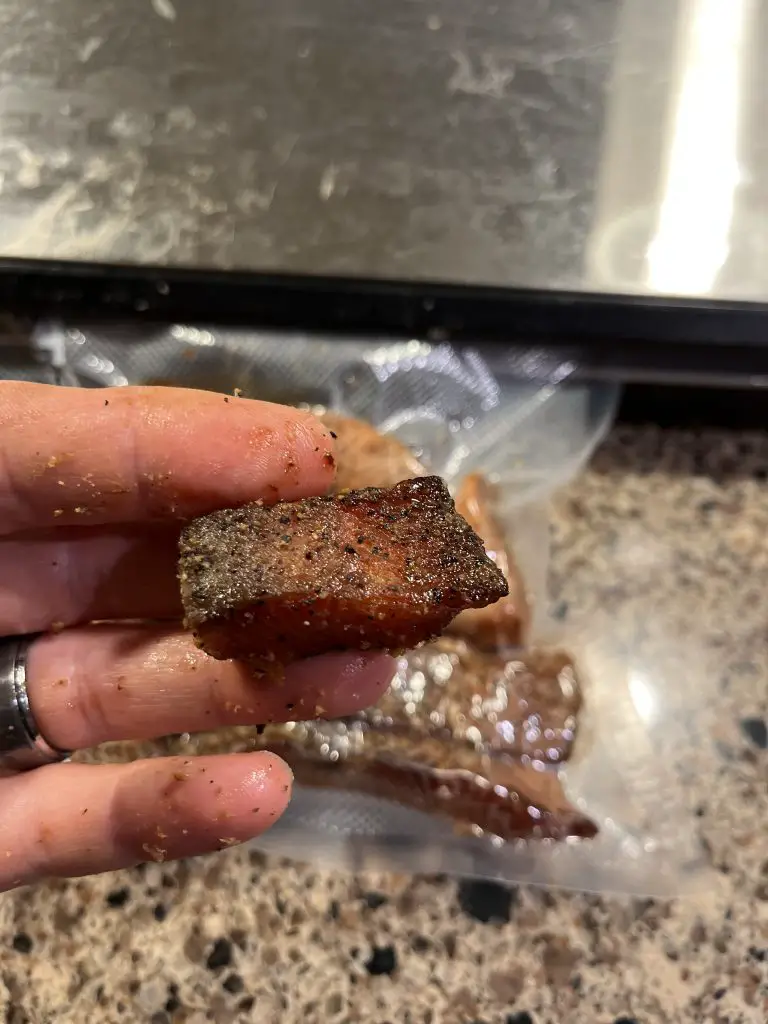
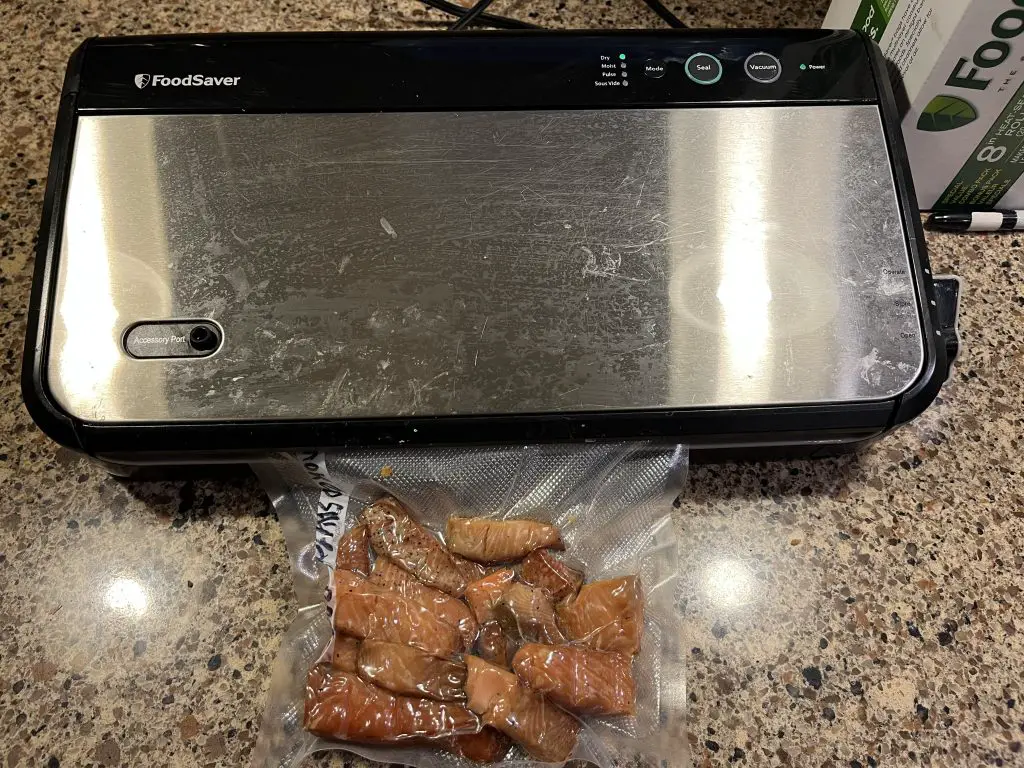
Once I pull the meat off racks, I eat as much as my stomach can handle. It's at this point the salmon will never taste better, fresh off the smoker! For the remainder of the salmon, I section it off into Ziploc bags and put them in the fridge. If there is smoked salmon that won't get eaten in the next few weeks in the fridge, I'll vacuum seal it and put into the freezer. You can freeze smoked salmon and thaw out in fridge and enjoy many months later.
8. OPTIONAL - Clean up
This last step is optional but I recommend cleaning up immediately after the smoking process is done. The racks, drip trays, etc. are hot and the fat and juices are not all dried up yet. If you soak them in some soapy water they clean quick and fast. And then let everything air dry. If you wait and do clean up hours later after everything has cooled down it becomes a much more challenging process.
Additional Tips